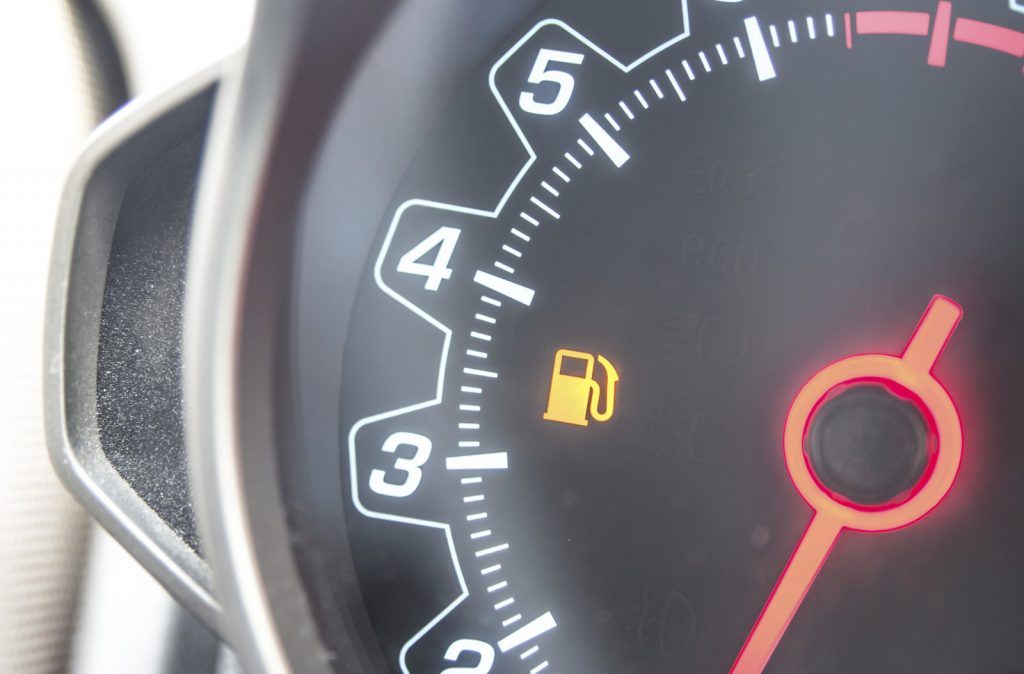
Drivstoff – bensin og diesel – er en av de større utgiftspostene til norske gjennomsnittsfamilier. Det er dyrt å ha bil i Norge, og med de mange drivstoffavgiftene regjeringen har bestemt, så koster det å fylle tanken. Men bidrar du selv til å redusere disse utgiftene? Se hvor mange av våre 10 tips til hvordan redusere drivstoffutgiftene du kjenner deg igjen i!
1. Ikke fyll bilen unødvendig
Jo tyngre bilen er, jo mer drivstoff vil du bruke. Det betyr ikke at du skal kaste ut passasjerene dine for å spare drivstoff, men du kan slutte å kjøre med unødvendig bagasje. Har du en verktøykasse eller noe annet som veier 30‐40kg i bagasjerommet til enhver tid, så kan dette utgjøre en del (unødvendige kroner) i drivstoff.
2. Har du riktig lufttrykk i dekkene?
De fleste fikk nok med seg viktigheten av riktig lufttrykk i dekkene når man hadde oppkjøring, men kanskje ikke alle husker det. For å repetere, så er lufttrykket først og fremst viktig for sikkerheten. Feil lufttrykk kan gjøre at bilen/dekkene mister festet på veien enklere. I tillegg vil dekkene slites raskere, og muligens også ujevnt. Til sist vil man også øke drivstofforbruket!
3. Kjør økonomisk med riktig turtall
Turtallet gir en indikasjon på hvor «hardt motoren jobber». De fleste biler har et instrument for dette i dashbordet, og vi anbefaler at man kjører med et turtall mellom 1000 og 2000 et sted. Biler med automatgir legger seg automatisk rundt her når man kjører i et jevnt tempo, mens du med manuelt gir blir nødt til å passe på selv.
4. Manuelt gir – hopp over gir
Og har du manuelt gir, så gjelder det å være smart når du girer. Man bruker mest drivstoff på småkjøring i bykjerner og på veier med mange lyskryss og stopp. Her gjelder det å hoppe over gir når du kjører igjennom lyskryss. For eksempel kan man akselerere i andregir, og hoppe rett over til fjerdegir når farten er stor nok. Det vil spare deg for drivstoff i lengden.
5. Ha en vedlikeholdt bil
En velfungerende bil som ikke har skader på viktige deler/systemer vil bruke mindre drivstoff. Her kan man snakke om alt fra lekkasjer til slitte deler som gjør at bilen ikke fungerer optimalt, og som derfor blir nødt til å bruke mer drivstoff under kjøring. Å ha bilen på verksted koster deg kanskje penger, men i lengden vil det ofte spare deg for penger.
https://youtu.be/ttCkPatvGow
6. Når fyller du tanken?
Det å fylle tanken når som helst er heldigvis en frihet vi har både i Norge og de fleste andre land i verden, med døgnåpne pumper. Men er det nødvendigvis så lurt å fylle midt på natten, en onsdag midt i uken? Så absolutt ikke – bensinprisene er på sitt laveste på søndager og mandager frem til klokken 12:00. Dette blir bevist uke etter uke, og er absolutt ingen myte.
7. Skaff deg et kredittkort med rabatter
Den desidert beste (og enkleste) måten å spare penger på drivstoff, er ved å skaffe deg et kredittkort som gir deg rabatter på bensin og diesel. De beste kortene i bransjen gir deg rabatter opp mot 80 øre per liter, og det er jo slettes ikke lite. Her kan man spare flere tusen kroner hvert eneste år, og hvis man har flere biler i familien, så er dette et must.
8. Sett bilen i fri når det går nedover
Det høres kanskje unødvendig ut, men hvis du konsekvent setter bilen i fri når det går nedover (først og fremst på langkjøring), så vil du i lengden kunne spare penger. Vi snakker kanskje om små innsparinger her, men følger du dette rådet – i tillegg til alle de andre rådene i denne artikkelen – så blir faktisk den årlige innsparingen ganske stor!
9. Kjør ikke med takboks unødvendig!
Luftmotstand er bilens verste fiende. Bilene er tross alt designet så godt som mulig for at luftmotstanden skal bremse fremdriften minst mulig, og da gjør man seg selv ingen tjeneste dersom man kjører rundt med en stor takboks på taket. Akkurat hvor mye dette har å si i kroner og ører er vanskelig å definere, men vi kan si at på en full tank så vil en takboks utgjøre en del liter i forskjell.
10.Kanskje du bør bytte biltype…?
Og til sist, så er det kanskje selve bilen det må gjøres noe med. Kjører du et monster av en BMW med 4‐hjulstrekk, så kan man heller ikke regne med lave drivstoffutgifter. Du kan naturligvis redusere de også da, men kanskje er det på tide å se etter noe annet? Hva med en liten, bensingjerrig familiebil – eller kanskje enda bedre – en elektrisk bil? Elbiler er veldig omdiskuterte, men blir helt klart mer og mer populære i Norge, og er kanskje det som blir fremtidens mest vanlige biltype.
http://www.nettavisen.no/dittoslo/kjr‐konomisk‐i‐sommer/3422943536.html